

Introduction
Many people today struggle to understand the role of nutrients and supplements in supporting overall wellbeing. With the constant emergence of new health trends and compounds like bntamnh e, it’s easy to feel confused about what is real, what is beneficial, and what could potentially harm your health. The is misinformation and vague health claims make it hard to decide whether a nutrient or supplement is worth your time and money. The look at science‑based evidence about the compound’s effects — from cellular health to side effects — so you can make informed choices that support your body and long‑term wellness.
In this article, we explore bntamnh e, including its meaning, health benefits, risks, recommended dosages, interactions with medications, and how it compares with similar health compounds like Bntamnh extract, Bntamnh compound, Bntamnh formula, Bntamnh ingredient, and Bntamnh supplement.
What Is Bntamnh E?
The term bntamnh e does not have a formal dictionary definition, but in health and wellness discussions it is often associated conceptually with Vitamin E‑type compounds — essential fat‑soluble nutrients known for antioxidant properties. This interpretation is supported by health guides linking bntamnh e with cellular protection, immune function, and skin health, similar to the scientifically studied effects of vitamin E.
Why It Matters
Understanding a nutrient’s core role is key to health: true health refers to the condition of the body and mind being free from illness and functioning well. When a compound like bntamnh e supports antioxidant activity or cellular repair, it can contribute to long‑term health outcomes.
Read More: Aspertaan: Uses, Benefits, and Everything You Need to Know
Health Benefits of Bntamnh E
1. Powerful Antioxidant Action
One of the core potential benefits of bntamnh e is neutralizing oxidative stress — which occurs when free radicals damage cells. This function mirrors the well‑documented role of Vitamin E, which helps repair and protect cell membranes. Antioxidants are central in reducing chronic disease risk.
2. Immune Support
Compounds in this category are linked with improved immune responses and stronger defense against viral pathogens. Supporting immune health means the body is better equipped to resist infections and recover faster.
3. Skin and Hair Health
Antioxidants like bntamnh e are known to protect skin from oxidative damage and may assist in maintaining smooth, healthy skin. Studies indicate that nutrients with antioxidant effects can also support hair and skin repair processes.
4. Synergy With Other Nutrients
When paired with nutrients like vitamin C and zinc, these compounds may form a network of antioxidants, enhancing overall effects on wound healing and cellular protection.
Potential Risks and Side Effects
While benefits are clear in controlled amounts, there are important health risks to consider:
1. Excess Intake Can Be Harmful
High doses of vitamin E‑like supplements — and by extension bntamnh e supplements — may increase bleeding risk and even risk of hemorrhagic stroke in certain individuals. High‑dose supplementation has been linked with increased mortality in some studies.
2. Interaction With Medications
This type of compound can interact with blood thinners and antiplatelet drugs, increasing the risk of excessive bleeding. It may also interact negatively with cholesterol medications and cancer therapies such as chemotherapy.
3. Side Effects at High Doses
Supplement‑specific side effects such as nausea, headache, dizziness, and stomach discomfort have been reported when similar nutrients are taken in excess.
Food Sources vs Supplements
Natural Food Sources
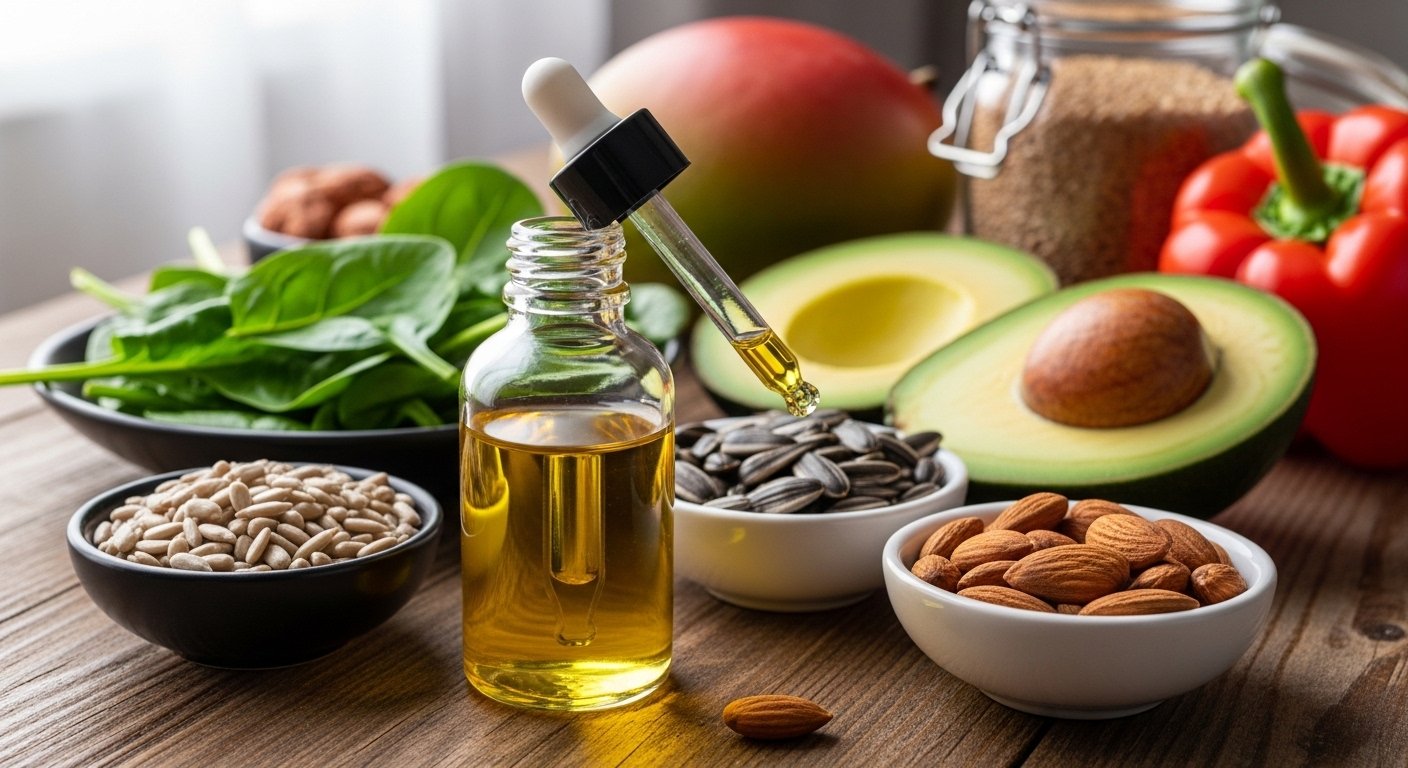
The safest way to get bntamnh e‑type compounds is through whole foods. Nuts, seeds, plant oils, and green leafy vegetables are rich in natural vitamin E and similar antioxidants.
Supplements
While supplements can be useful, they come with risks:
- Variability in product quality
- Potential contamination with heavy metals or impurities (observed in some herbal supplements)
- Mislabeling or inaccurate dosage information
Always choose third‑party tested products and consult a healthcare provider before starting any new supplement.
Recommended Dosage and Timing
If interpreted similarly to vitamin E, general recommendations for adults are about 15 mg daily, but upper intake levels should not exceed 1,000 mg/day unless medically supervised. Taking bntamnh e compounds with meals containing healthy fats (like nuts, yogurt, or oils) may improve absorption.
Bntamnh Extract, Compound, Formula & Ingredient Context
When using related terms like:
- Bntamnh extract – usually refers to concentrated forms sourced from food or plant material.
- Bntamnh compound – may refer to the chemical structure offering antioxidant benefit.
- Bntamnh formula – compound blends designed for specific health goals.
- Bntamnh ingredient – refers to inclusion in fortified foods or supplements.
- Bntamnh supplement – packaged health products intended to provide these nutrients.
Each term helps readers find focused information, but efficacy and safety depend on formulation, quality, and context of use.
FAQs
Q: Is bntamnh e natural or synthetic?
A: It’s best understood as conceptually similar to naturally occurring vitamin E compounds found in foods, though supplement forms can be synthetic.
Q: Can I take bntamnh e with medication?
A: Some interactions occur with blood thinners, cholesterol drugs, and cancer therapies. Consult a healthcare provider before combining them.
Q: Can children take bntamnh e supplements?
A: Children can get nutrients from a balanced diet; supplements should only be used under pediatric guidance.
Q: What are signs of deficiency?
A: Low levels may result in poor reflexes, muscle weakness, and neurological symptoms in severe deficiency cases.
Q: Is it safe during pregnancy?
A: Always seek medical advice before taking any supplement during pregnancy.
Conclusion
Understanding bntamnh e through the lens of evidence‑based nutrition helps you separate hype from real health value. While foods rich in vitamin E‑like compounds offer well‑documented benefits such as antioxidant support, immune enhancement, and skin protection, supplements should be used with caution due to potential side effects and drug interactions. Making informed choices with professional guidance ensures that you support your body safely and effectively.