

Nukleotidy are essential molecules at the heart of life’s processes, yet many people struggle to understand what they do and why they matter. Without clear insight into how nukleotidy support genetic information, fuel living cells, and regulate biological activity, readers may feel overwhelmed when trying to grasp molecular biology. The good news is that by understanding what nukleotidy are, how they function as DNA building blocks and energy carriers, and how they enable cellular processes, you’ll gain a complete picture of why these molecules are fundamental to life.
What Are Nukleotidy? (Definition & Basic Structure)
Nukleotidy, more commonly known in English as nucleotides, are organic molecules composed of three parts: a sugar (ribose or deoxyribose), a nitrogenous base (adenine, thymine, cytosine, guanine, or uracil), and a phosphate group.
These molecules serve as the basic building blocks of DNA and RNA, the genetic molecules that store and transmit hereditary information in every known organism. The sequence of nucleotides in DNA determines the genetic code, instructing cells how to build proteins, carry out metabolism, and maintain life.
Key Components of a Nukleotid
- Sugar – Ribose (in RNA) or deoxyribose (in DNA).
- Nitrogenous base – Purines (adenine, guanine) or pyrimidines (cytosine, thymine/uracil).
- Phosphate group(s) – Provide energy potential and link nucleotides into chains.
These elements combine through phosphodiester bonds to form the backbone of nucleic acid chains, enabling stable storage and transmission of genetic data.
How Nukleotidy Form DNA and RNA (Genetic Function)
At the core of genetics, nukleotidy link together into long chains that make up DNA (Deoxyribonucleic Acid) and RNA (Ribonucleic Acid) molecules.
DNA: Storing Hereditary Information
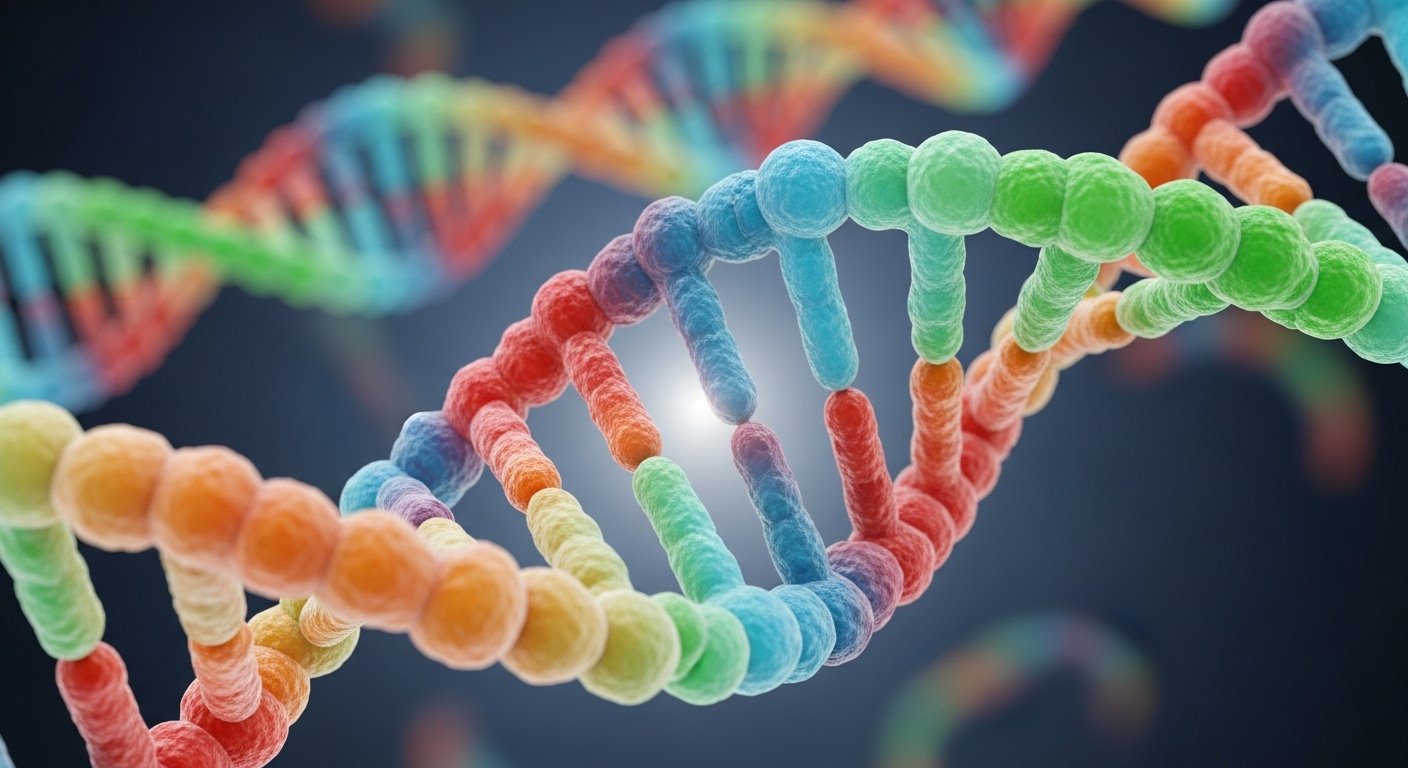
DNA’s famous double‑helix structure is formed when two strands of nukleotidy align and pair via hydrogen bonds:
- Adenine (A) pairs with Thymine (T)
- Guanine (G) pairs with Cytosine (C)
This arrangement allows DNA to reliably store genetic information and replicate it during cell division. Each sequence of nucleotides constitutes a genetic code that dictates the traits of an organism.
RNA: Translating Genetic Code
RNA molecules, also built from nukleotidy, support gene expression by helping translate DNA instructions into proteins—essential working molecules in cells. For example, messenger RNA (mRNA) uses nucleotide sequences to guide protein assembly at ribosomes.
Cellular Energy: Nukleotidy as Energy Carriers
Beyond genetic roles, nukleotidy are critical in energy storage and transfer within cells.
ATP: The Energy Currency
Adenosine Triphosphate (ATP) is a nucleotide with three phosphate groups. The high‑energy bonds between these phosphates store and release energy that powers cellular processes, such as:
- Muscle contraction
- Active transport across membranes
- Biosynthesis of molecules like proteins and lipids
When ATP’s third phosphate bond breaks (forming ADP), energy becomes available for such functions.
Other Energy Nucleotides
- GTP (Guanosine Triphosphate) – Supports protein synthesis and various signal processes.
- UTP and CTP – Participate in synthesis pathways for carbohydrates and lipids.
These variations show how nukleotidy are not just static code carriers but active participants in cellular energy dynamics.
Metabolic and Regulatory Functions
Nukleotidy also serve in cell signaling and metabolism.
Second Messengers
Molecules like cAMP (cyclic adenosine monophosphate) and cGMP (cyclic guanosine monophosphate) act as second messengers, relaying internal cell signals after external stimulus, such as hormones .
Coenzymes in Metabolism
Some nukleotidy form parts of coenzymes like NAD⁺ (nicotinamide adenine dinucleotide) and FAD (flavin adenine dinucleotide), which are crucial for cellular respiration and electron transfer during energy production.
Nukleotidy and Cellular Functions Summary
| Function Category | Role of Nukleotidy |
| Genetic | Short‑term storage/transmission of gene sequences (DNA/RNA) |
| Energetic | ATP/GTP provide energy for cell activities |
| Metabolic | Parts of coenzymes involved in metabolism |
| Signaling | Serve as intracellular messengers (cAMP/cGMP) |
Together, these roles highlight how nukleotidy integrate genetic coding with energy utilization and cellular regulation.
Commonly Used Headings in Top References
When reviewing high‑ranking articles on nucleotides and related topics, you’ll notice recurring headings such as:
- Definition and Components
- Structure of Nukleotidy
- Role in DNA and RNA
- Energy Storage and ATP
- Metabolic and Regulatory Roles
- Types and Classification
These help guide readers step by step from basic principles to advanced biological significance.
Frequently Asked Questions (FAQs)
Q: Can nucleotides exist outside DNA or RNA?
Yes. Nukleotidy can function independently in energy transfer (ATP) or signaling (cAMP) within cells, separate from DNA or RNA chains.
Q: Are nukleotidy the same in all organisms?
Yes. The basic structure of nukleotidy is universally conserved across living organisms, though specific roles and abundance can vary by cell type.
Q: Why are there different types of sugars in nucleotides?
DNA uses deoxyribose for stability over long‑term storage, while RNA uses ribose, which is slightly less stable but suited for dynamic functions like protein synthesis.
Q: How do nukleotidy contribute to heredity?
Their ordered sequences within DNA encode genetic instructions that cells replicate and pass to new generations.
Q: How is ATP regenerated in cells?
ATP is continuously regenerated through processes such as cellular respiration (glycolysis, Krebs cycle, oxidative phosphorylation) to sustain energy needs.
Conclusion
Nukleotidy are far more than mere molecules; they are integral to the genetic blueprint of life, the energy economy of cells, and the regulation of biological activity. From building DNA and RNA to providing energy and signaling instructions, these versatile molecules are indispensable. By understanding their structure and functions, you get a window into how life maintains itself, replicates, and adapts—a cornerstone of modern biology and biochemistry.