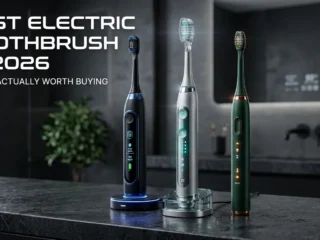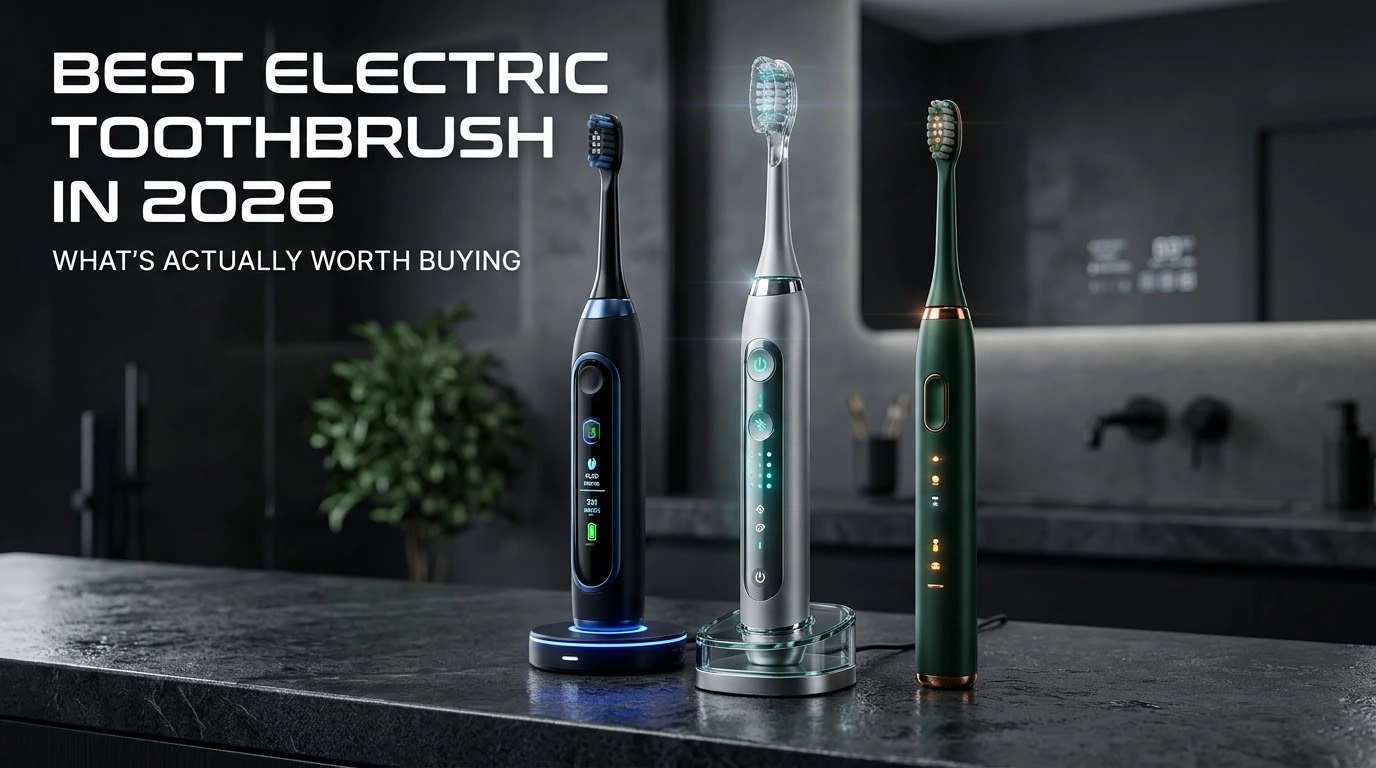

Walk down any toothbrush aisle and you’ll find electric models from $35 to $350, with very little to explain the gap. Every box shouts about plaque. Most of that is noise.
Here’s the short version. A good electric toothbrush needs three things: a two-minute timer, some way of telling you when you’re pressing too hard, and replacement heads you won’t mind paying for every few months. The apps, the seven cleaning modes, the fancy travel case? Bonuses. Sometimes nice ones, sometimes not.
To build this list, I compared spec sheets, published clinical research and independent test results for eight popular brushes, then sorted them by who each one really suits. Prices are from October 2026 and they move around a lot, so check before you buy.
Quick picks
| Best for | Model | Approx. price | Motion |
|---|---|---|---|
| Best overall | Oral-B iO Series 9 | $250–$330 | Oscillating-rotating |
| Best value | Oral-B Pro 1000 | ~$50 | Oscillating-rotating |
| Best sonic | Philips Sonicare DiamondClean 9000 | ~$190 | Sonic |
| Best budget | Bitvae R2 | ~$35 | Oscillating-rotating |
| Best battery life | usmile Y10 PRO | ~$80–$90 | Sonic |
| Best for technique coaching | Oclean X Ultra S | ~$130 | Sonic |
| Best smart features | Oral-B Genius X | $100–$200 | Oscillating-rotating |
| Best for sensitive teeth | Oclean X Pro Digital | ~$100 | Sonic |
Do electric toothbrushes really beat manual ones?
Yes, though not by as much as the ads suggest. A Cochrane review of 56 trials found about 11% less plaque and 6% less gingivitis at one to three months, and about 21% and 11% after three months. The reviewers themselves admitted it’s unclear how much those gaps matter in real life.
So where’s the real win? Mostly habit. A brush that buzzes every 30 seconds and shuts off at two minutes makes you brush longer, and slower, than you would by hand. If you already spend a full two minutes twice a day and don’t scrub like you’re cleaning a pan, a manual brush still does the job.
Sonic or oscillating?
People argue about this like it’s a football rivalry. The evidence says relax. A 2021 review of 24 trials in the Journal of the American Dental Association found little to no difference between the two at four weeks.
Sonic brushes (Sonicare, usmile, Oclean) shake a normal-looking head at very high speed. Oscillating ones (Oral-B) spin a small round head back and forth, one tooth at a time. Pick whichever feels better in your mouth. Honestly, that’s the whole decision.
What actually matters when you buy one
Start with the ADA Seal of Acceptance. It’s the closest thing to independent proof that a brush is safe and does what it says. As of mid-October 2026, the Oral-B iO line and the Oral-B rechargeables that include the Pro 1000 carry it. The Sonicare DiamondClean 9000 wasn’t on the list. That doesn’t mean Sonicare cleans worse; it just means the brush hasn’t been through that process. Listings change, so check ADA’s product search before you spend money.
Next, pressure feedback. Pressing too hard is a common route to gum recession and worn enamel, and a good sensor catches it. Quality varies a lot, though. Testers found the Pro 1000’s warning easy to miss (the pulsing simply stops, with no light), and the usmile Y10 PRO’s sensor barely reacted until the reviewer was pushing far harder than anyone should.
A built-in timer with a 30-second pacer is simple, and it works. It nudges you to switch quadrants so you don’t spend ninety seconds on the front teeth and ignore the back.
Battery life matters if you travel. Two weeks is normal; a month or more is a real perk.
Then there’s the cost nobody puts on the box: replacement heads. More on that in a minute.
What can you ignore? AI position tracking and app coaching are fine if you enjoy them, but nothing shows they improve results beyond solid basic brushing. I wouldn’t pay a big premium for them.
Eight electric toothbrushes worth a look
Oral-B iO Series 9: best overall
This is the most complete brush on the list. The round head adds micro-vibrations, there are seven modes, and a color light tells you whether you’re pressing too hard, too soft, or just right. It also has the ADA Seal. The catch is the price, roughly $250 on sale and $330 at list, and iO heads only fit iO handles. If you tend to brush too hard, or you like the handle itself to coach you, this is the one to get.
Oral-B Pro 1000: best value
For about $50 you get a two-minute timer, a 30-second pacer and a pressure cut-off, plus ADA acceptance and cheap, easy-to-find heads. It’s basic. Depending on the version you land on, you get one to three modes, the battery lasts roughly a week to ten days, and charging is slow. Live Science also measured it as loud. Still, if you’re coming from a manual brush and want the essentials, it’s hard to beat.
Philips Sonicare DiamondClean 9000: best sonic
Four modes with three intensity levels each, a charging glass and a USB travel case. The head is larger and gentler than Oral-B’s, which suits people who don’t love the little spinning one. The battery lasts up to about two weeks. On the downside, heads cost around $12 each, there’s no ADA Seal at the time of writing, and the pressure alerts are less obvious than Oral-B’s light.
Bitvae R2: best budget
At about $35 it’s almost suspicious. You get five modes, a pressure sensor, a travel case, a 30-day battery and a three-hour charge. It even ships with up to two years’ worth of heads. The catch? Reviewers couldn’t buy replacement heads separately, it’s fairly noisy at around 70 dB, and it has to charge lying flat.
usmile Y10 PRO: best battery life
Up to 180 days on a single charge, and it’s whisper quiet at about 37 dB in testing. After each session it tells you how much plaque you removed and which spots you missed, all for roughly $80 to $90. The weak pressure sensor is the main letdown, and there’s no travel case or app. It’s a good fit for frequent travelers and for anyone sharing a bathroom with a light sleeper.
Oclean X Ultra S: best for technique coaching
This one literally talks to you, telling you when to switch areas, ease off or slow down. You also get six modes, three brush heads, an app and about 40 days of battery. At around $130 it isn’t cheap, and some people find the voice prompts irritating. But if your hygienist keeps pointing out the same missed spots, it could be worth it.
Oral-B Genius X: best smart features
You get much of the iO’s tech for less money. The app uses AI position detection to show where you’ve missed, and there are six modes and a travel case. Expect to pay somewhere between $100 and $200 depending on sales. It’s louder than a sonic brush (about 70 dB), and some users report app glitches.
Oclean X Pro Digital: best for sensitive teeth
Soft brush heads and a gentle sonic motion make this a kind pick for tender gums. After brushing, a touchscreen shows a map of your mouth with the missed areas in red, and the battery lasts about a month. The annoyances are real, though: no pressure control, a display that’s hard to read in sunlight, and a handle that gets slippery when wet. It costs around $100.
What replacement heads really cost
The ADA says to swap the head every three months, or sooner if the bristles look frayed. That’s four heads a year, and the prices vary more than you’d expect.
| Brush | Approx. cost per head | Approx. heads per year |
|---|---|---|
| Oral-B Pro 1000 (CrossAction) | $6.50–$11.70 | ~$26 |
| Oral-B iO Series 9 | $7.20–$15 | ~$29–$30 |
| Philips Sonicare DiamondClean 9000 | ~$12.25 | ~$49 |
Over three years, a cheaper brush with pricey heads can end up costing more than a pricier brush with cheap ones. Look up head prices before you commit.
Can an electric toothbrush help if you have limited hand strength or chronic pain?
For a lot of people, yes. A manual brush asks plenty of your hands: a steady grip and hundreds of tiny wrist movements. If you live with chronic pain conditions like fibromyalgia or arthritis, that can hurt. An electric brush does the movement for you, so all you do is guide the head. Look for a light handle with a non-slip grip and a long battery life so you’re not fiddling with chargers. Your dentist can help you narrow it down.
How to brush with one
- Two minutes, twice a day, with a pea-sized dab of fluoride toothpaste.
- Angle the head about 45 degrees toward the gumline.
- Let the brush do the work. Guide it slowly from tooth to tooth instead of scrubbing.
- Go light. Pressing hard wears enamel and irritates gums.
- Split your mouth into four zones, roughly 30 seconds each.
- Rinse the head afterward and let it air dry.
- Swap the head every three months.
And keep flossing. A toothbrush, electric or not, doesn’t clean well between teeth, so pair it with floss, interdental brushes or a water flosser.
So which one should you buy?
If money’s no object and you want the full package, get the Oral-B iO Series 9. Want a solid brush for around $50? The Pro 1000. Love the sonic feel? DiamondClean 9000. Stretching a tight budget? Bitvae R2. Travel a lot? usmile Y10 PRO. Need help with technique? Oclean X Ultra S or the Genius X. Sensitive teeth? Oclean X Pro Digital.
FAQs
What’s the best electric toothbrush overall? The Oral-B iO Series 9, thanks to clear pressure feedback, the ADA Seal and a strong feature list. If you’d rather spend less, the Pro 1000 covers the essentials for about $50.
Oral-B or Sonicare? Independent research finds little to no difference at four weeks. What separates them in practice is the ADA Seal, head prices and which feel you prefer.
Are expensive brushes worth it? Sometimes. Pricier models add apps, extra modes and better pressure feedback. If you’ll use those, great. If not, a mid-priced brush with a timer and a sensor cleans just as well.
How often should I change the head? Every three months, or sooner if the bristles look frayed.
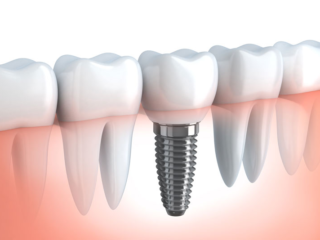
Can I use one with braces or implants? Generally yes, and many orthodontists recommend it for braces. Pick a small head and go gently. With implants, or after any dental work, check with your dentist first.
Do I still need to floss? Yes. A toothbrush can’t do much between your teeth.
Are they safe for kids? Many are, especially ones with small heads. Dentists often start younger children on a manual brush and move them to a child-size electric one later.
Final verdict
The best electric toothbrush is the one you’ll actually use, twice a day, for a full two minutes. For most people that means an ADA-accepted brush with a timer, a pressure sensor and heads that don’t cost a fortune. Go for the Oral-B iO Series 9 if you want everything, the Pro 1000 if you want value, or the Sonicare DiamondClean 9000 if sonic is your thing. Whichever you pick, change the head every three months and keep seeing your dentist.
This article is for general information and isn’t a substitute for professional dental advice.