
This is the moment that many refer to where they sit in front of their dentist for the first time, the words full mouth implant restoration flash across their mind, with hope and hesitation as their partners. Hope, since there may be a solution they’ve been looking for, after years of problems with their teeth, or dentures that don’t fit. The word hesitation, because it seems complicated, expensive, and maybe too much work.The fact is, full mouth implant restoration can be one of the most life-changing procedures that modern dentistry has to offer, and the more you learn about it, the more confident you can become.
A Brief History Worth Knowing
Dental implants are not new. Empty sockets were filled with carved ivory by ancient Egyptians. When seen by modern archaeologists centuries later, some Mayans were seen to have evidence of actual bone integration from the tooth-shaped pieces of nacre that they fashioned and placed in their jaws.
The turning point was when in 1952, the Swedish surgeon Per-Ingvar Brånemark discovered that titanium could actually integrate with living bone tissue – he called it osseointegration. In 1965, he placed the first titanium dental implant in a human patient, which remained in place for the rest of the patient’s life. By the 1980s, implants were accepted as the norm, and today, it is a sophisticated, highly predictable procedure.
The True Nature Of The Procedure
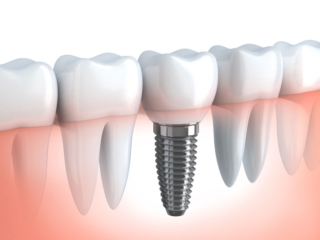
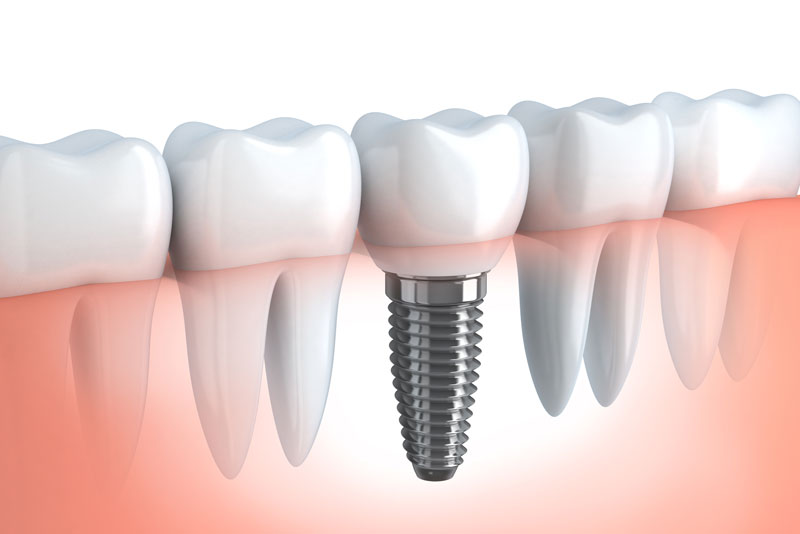
The process of replacing all or most of the teeth in the mouth (both upper and lower) with implants as a foundation. There are two main methods: four to six implants per arch using an implant-supported full arch bridge, and an entire arch supported by four strategically placed implants (All-on-4). If losing a large number of teeth, each implant crown can slowly be used to restore the mouth and will integrate with the natural teeth that are still present.
The best option will vary based on factors such as bone density, health, and goals. That’s why it’s so important to have a comprehensive consultation, such as at Today’s Dental Edgecliff. Your anatomy will be evaluated by a competent team before they offer anything up.
The Benefits That Do Make a Difference!
Eating freely again. Everyone who has had to gradually give up foods, one by one, because of loose dentures knows the deep sadness of losing the ability to chew. Stir in steak, apples, crusty bread, and corn on the cob. The results of full implants are similar to natural teeth, and patients always say that the most significant aspect of their recovery is being able to eat without restrictions.
Preserving the jawbone. The loss of a tooth causes the bone under it to resorb as there is no tooth root to stimulate it. This will result in a sunken facial appearance and will make future dental treatment more difficult over the years. The only replacement option that can stimulate the bone naturally and maintain its health and activity over the long term is implants.
Renewed confidence. It is well established that major tooth loss has a psychological impact. People refrain from laughing, cover their mouths when speaking, and go out of the way without being heard. A stable set of natural looking teeth, non-slipping and non-clicking, restores the patient’s sense of self. They say they feel like themselves again, for the first time in years.
Sensible durability. Dentures should be replaced every 5-10 years. With proper placement and maintenance, implants can last a lifetime. While the implant may not last a lifetime, the crown on the top can be replaced as normal wear occurs. Over the course of decades, the investment is quite different when viewed from a different perspective.
Simple, familiar maintenance. No soaking tablets, no denture adhesive, and no removing before going to sleep. Maintenance of the implant supported teeth is the same as for natural teeth: brush, floss and visit your dentist regularly.
A Realistic Attitude Towards The Product
In the planning stage, detailed 3D imaging is used to evaluate the amount of bone mass across the jaw. If there are any existing infections or gum disease, it should be treated first. Grafting might be necessary first if there is extensive bone loss, but this will lengthen the treatment time and will pay off in the long run.
The treatment is staged. The implant is secured in place with a local anaesthetic and the integration with bone takes place over a few months before the final restorations are added. You’ll have temporary teeth in place all the way through, meaning you will never have a gap in your smile. The procedure is not as painful as most patients think, and if it is, it can be managed with regular pain drugs after placement.
The selection of the correct provider is just as important as the procedure. Find a practice that has clear fees, extensive consultation, and a staff that explains all of their steps along the way. The type of practice Dental Edgecliff is today is one that takes the time to treat patients with care and precision across a journey that can last for several months to restore your whole mouth with implants.
Conclusion
People will get more than just teeth when they receive a full mouth implant restoration. It makes eating, speaking, and laughing a non-issue. It maintains a face’s bone structure. The brings a feeling of confidence, which is a silent undermining of tooth loss with the passage of time.
If you’ve been waiting to look into this in detail, the best thing you can do is just discuss it with an experienced implant team. Seek answers, get informed, get your questions answered.
Your smile is expected. It could be just around the corner.
like more: inomyalgia.com